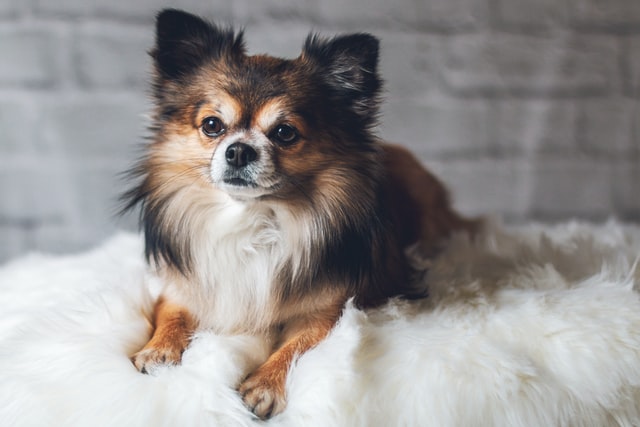
A glossy coat is more than a beauty goal—it often reflects good nutrition, comfortable skin and an appropriate grooming routine. Coat texture naturally varies by breed, but these practical habits can help every dog look and feel their best.
Build from a complete, balanced diet
Healthy skin and hair need adequate protein, fats, vitamins and minerals. Feed a diet that is complete for your dog’s life stage, and ask your veterinarian before adding supplements. Too much of certain nutrients can be as problematic as too little.
Include essential fatty acids appropriately
Omega-3 and omega-6 fatty acids support the skin barrier and coat condition. Fish-based foods and veterinarian-approved fish-oil products are common sources. The right dose depends on the product and your dog’s health, so professional guidance is worthwhile.
Brush for the coat type
Brushing distributes natural oils and removes loose fur, dust and dead skin. Short coats may need a rubber grooming mitt, while long or double coats often benefit from a slicker brush and suitable comb. Browse practical grooming tools for dogs.
Bathe only when needed
Use lukewarm water and a mild dog shampoo. Bathing too often or using human shampoo can dry the skin, while poor rinsing can leave irritating residue. Dry the coat thoroughly, especially in folds and beneath dense fur.
Stay on top of parasite prevention
Fleas, mites and other parasites may cause itching, hair loss and dullness. Work with your veterinarian on a prevention plan suited to your dog, location and lifestyle.
Support hydration and daily wellbeing
Provide fresh water, regular movement and a low-stress routine. Persistent scratching can damage hair and skin, so look for environmental or dietary triggers rather than masking the problem.
Choose grooming products carefully
Fragrance is not a measure of quality. Look for dog-specific products, follow the label and patch-test new leave-in products when appropriate. To update your routine, see dog coat-care essentials and offers.
Watch for warning signs
A sudden change in the coat deserves attention, especially when accompanied by bald patches, odour, sores, dandruff, redness, weight change or low energy. Hormonal conditions, allergies, infections and other illnesses can affect the skin and coat. A veterinarian can identify the cause instead of relying on cosmetic fixes.
A simple weekly routine
Check the skin during brushing, wash bedding regularly, maintain parasite prevention and take a quick photo each month to track changes. Small, consistent steps usually beat occasional intensive grooming.
For brushes, shampoos and everyday pet-care picks, explore recommended dog products.
Affiliate disclosure: This article contains affiliate links. We may earn a commission from qualifying purchases at no extra cost to you.
A glossy coat is more than a beauty goal—it often reflects good nutrition, comfortable skin and an appropriate grooming routine. Coat texture naturally varies by breed, but these practical habits can help every dog look and feel their best.
Build from a complete, balanced diet
Healthy skin and hair need adequate protein, fats, vitamins and minerals. Feed a diet that is complete for your dog’s life stage, and ask your veterinarian before adding supplements. Too much of certain nutrients can be as problematic as too little.
Include essential fatty acids appropriately
Omega-3 and omega-6 fatty acids support the skin barrier and coat condition. Fish-based foods and veterinarian-approved fish-oil products are common sources. The right dose depends on the product and your dog’s health, so professional guidance is worthwhile.
Brush for the coat type
Brushing distributes natural oils and removes loose fur, dust and dead skin. Short coats may need a rubber grooming mitt, while long or double coats often benefit from a slicker brush and suitable comb. Browse practical grooming tools for dogs.
Bathe only when needed
Use lukewarm water and a mild dog shampoo. Bathing too often or using human shampoo can dry the skin, while poor rinsing can leave irritating residue. Dry the coat thoroughly, especially in folds and beneath dense fur.
Stay on top of parasite prevention
Fleas, mites and other parasites may cause itching, hair loss and dullness. Work with your veterinarian on a prevention plan suited to your dog, location and lifestyle.
Support hydration and daily wellbeing
Provide fresh water, regular movement and a low-stress routine. Persistent scratching can damage hair and skin, so look for environmental or dietary triggers rather than masking the problem.
Choose grooming products carefully
Fragrance is not a measure of quality. Look for dog-specific products, follow the label and patch-test new leave-in products when appropriate. To update your routine, see dog coat-care essentials and offers.
Watch for warning signs
A sudden change in the coat deserves attention, especially when accompanied by bald patches, odour, sores, dandruff, redness, weight change or low energy. Hormonal conditions, allergies, infections and other illnesses can affect the skin and coat. A veterinarian can identify the cause instead of relying on cosmetic fixes.
A simple weekly routine
Check the skin during brushing, wash bedding regularly, maintain parasite prevention and take a quick photo each month to track changes. Small, consistent steps usually beat occasional intensive grooming.
For brushes, shampoos and everyday pet-care picks, explore recommended dog products.
Affiliate disclosure: This article contains affiliate links. We may earn a commission from qualifying purchases at no extra cost to you.