Pecans are often treated as one familiar ingredient, yet the category contains an astonishing range of cultivars. More than a thousand named pecan varieties have been recorded, and they can differ in kernel size, shell thickness, color, sweetness, oiliness and crunch. Those differences help explain why one pecan may be ideal for snacking while another shines in baking.
For a simple way to compare fresh pecan products, visit Millican Pecan's online collection and look at the form, size and intended use of each option.
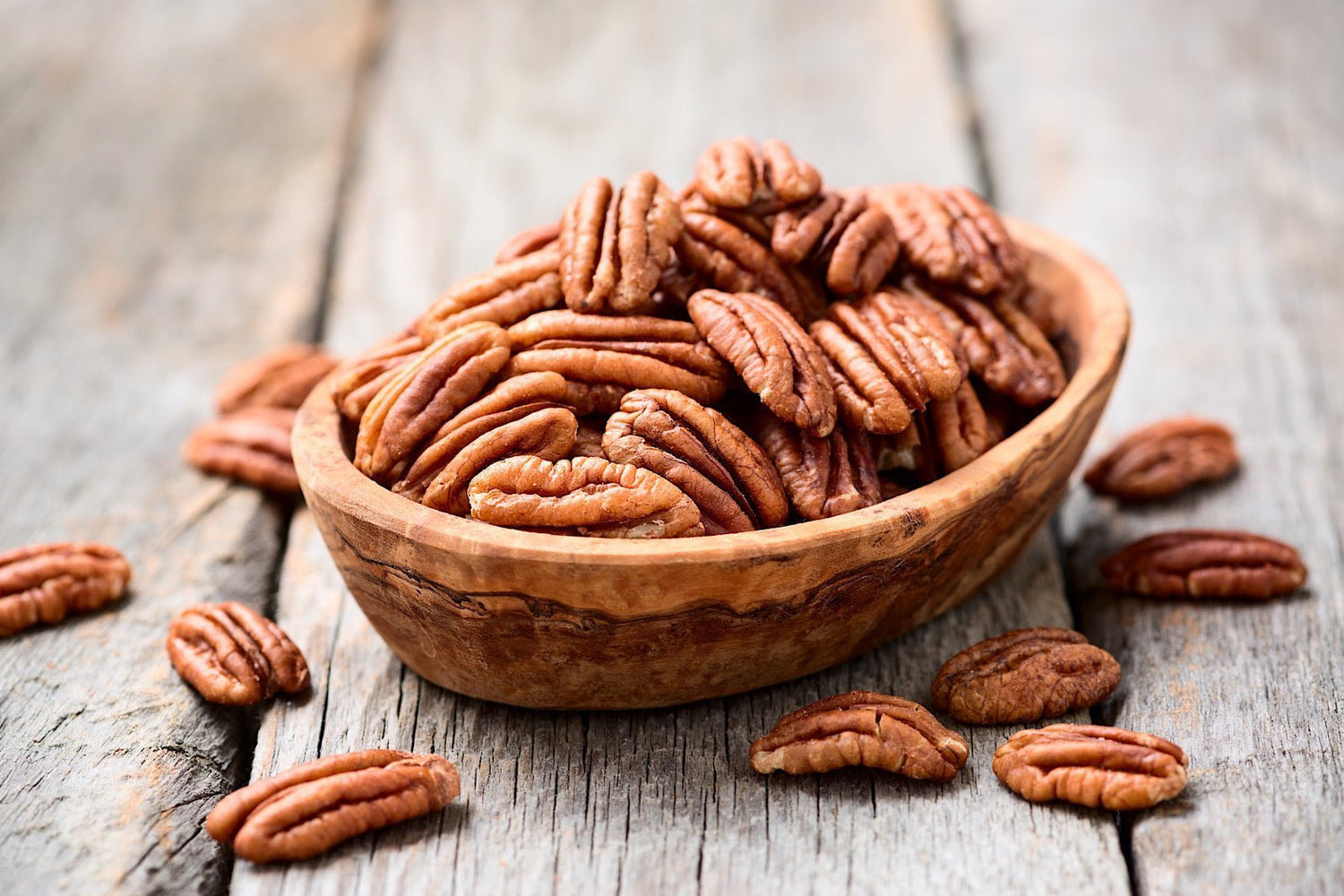
Why are there so many varieties?
Wild pecan trees reproduce from seed, and each seedling is genetically unique. Growers noticed trees with desirable qualities—large kernels, thin shells, good flavor, early harvest or reliable production—and propagated them by grafting. This preserved the traits of a selected tree and created named cultivars.
Many familiar cultivar names reflect the history and geography of pecan growing. Some are named for Native American peoples, while others honor growers, families or places. The result is a diverse catalog shaped by regional climate, orchard needs and consumer preference.
Three characteristics to compare
Flavor: Some pecans taste mild and sweet, while others are deeper, toastier or more richly nutty. Freshness can be just as important as cultivar, because stale storage can mask the qualities that make a variety distinctive.
Texture: A crisp, firm kernel is satisfying for snacking and holds its character in salads. More tender, buttery kernels blend beautifully into fillings, sauces and baked goods.
Kernel and shell: Large, attractive halves are popular for gift tins and decorative baking. Thin-shell or papershell types are easier to crack at home, while smaller pieces are convenient when a recipe calls for chopped nuts.
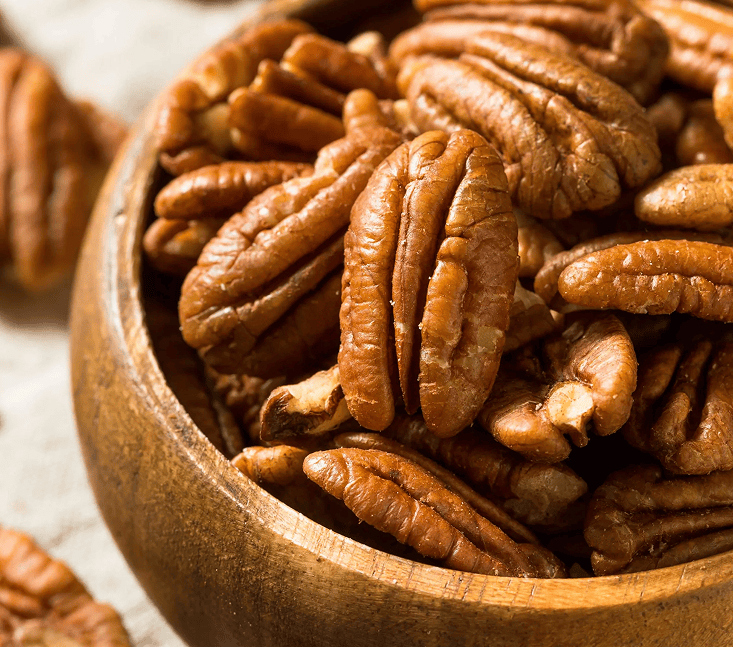
Matching pecans to the occasion
For everyday snacking, prioritize freshness, a clean aroma and a crisp bite. Roasted or flavored pecans offer convenience, while raw pecans give you control over seasoning and are easy to add to breakfast bowls.
For pies, cookies and breads, pieces are economical and distribute evenly through the batter. Reserve picture-perfect halves for the top, where their shape adds a polished finish. In savory cooking, a robust pecan works well in crusts, salads and grain dishes because its flavor remains noticeable beside herbs and spices.
Gift giving calls for appearance as well as taste. Large halves, chocolate-coated pecans or a thoughtfully mixed assortment provide visual variety and make it easier for the recipient to discover a favorite.
How to conduct your own tasting
Taste pecans at room temperature and begin with the mildest. Notice aroma, initial sweetness, crunch and the flavor that remains after chewing. Then toast a few samples gently and compare them again. Heat often intensifies aroma and reveals differences that are subtle in the raw nut.
Keep notes on which variety or preparation you prefer for snacking, baking and savory recipes. Store the remaining pecans airtight in the refrigerator or freezer so later comparisons are fair.
Choose for purpose, not just size
The biggest pecan is not automatically the tastiest, and the thinnest shell is not always the only sign of quality. Freshness, handling and intended use all matter. The fun is in trying several expressions of the same remarkable nut and finding the one that suits your kitchen.
When you are ready to start your own tasting, browse pecans, snacks and gifts from Millican Pecan.