Dog breath does not have to smell minty fresh, but a strong or suddenly unpleasant odour can signal that your pup needs better dental care—or a check-up. The good news is that a few consistent habits can make a noticeable difference.
1. Brush your dog’s teeth regularly
Daily brushing is ideal, but even several times a week can help remove the plaque that causes odour. Use a soft dog toothbrush and toothpaste made specifically for pets. Human toothpaste may contain ingredients that are unsafe for dogs.
2. Introduce dental chews
Chewing can mechanically scrape the tooth surface and encourage saliva production. Choose an appropriately sized product and supervise your dog while chewing. You can browse dog dental-care options here.
3. Keep the water bowl clean
Biofilm can collect inside a water bowl and contribute to an unpleasant smell. Wash the bowl with hot soapy water every day and refill it with fresh water. Stainless steel bowls are generally easier to clean than scratched plastic.
4. Offer safe chew toys
Textured rubber toys may help loosen food particles while satisfying a dog’s natural urge to chew. Avoid objects that are extremely hard, such as antlers or stones, because they can fracture teeth.
5. Pay attention to diet
A balanced diet supports oral and overall health. If your dog’s breath changed after switching food, note the timing and discuss it with your veterinarian. For convenient pet-care picks, see current dog essentials and offers.
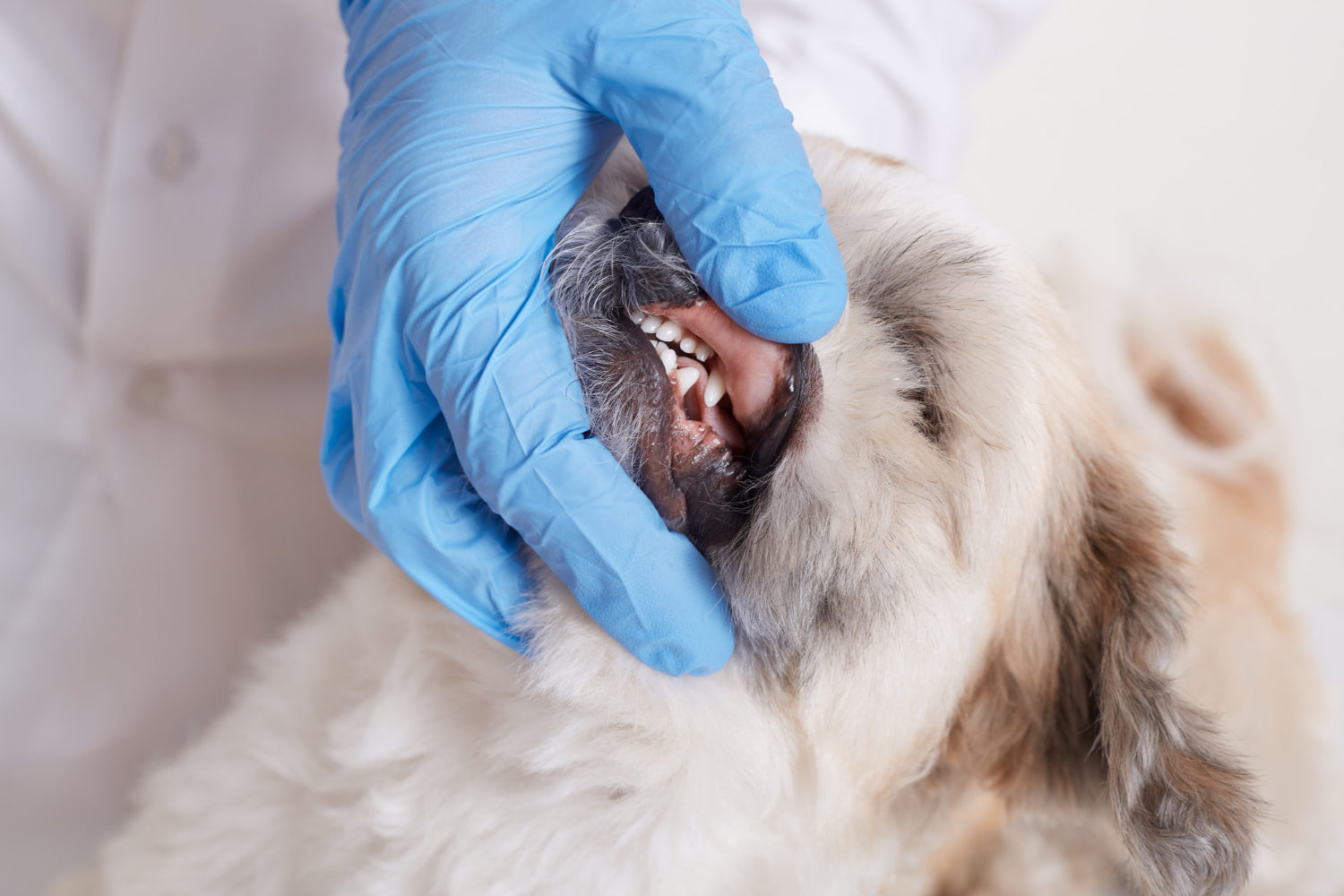
6. Check the mouth at home
Lift the lips gently and look for red gums, heavy tartar, broken teeth, bleeding, swelling or anything lodged between the teeth. Never force your dog’s mouth open if they appear frightened or painful.
7. Book professional dental checks
Home care cannot remove hardened tartar below the gumline. Regular veterinary examinations help detect periodontal disease early and determine whether a professional cleaning is needed.
8. Know when bad breath is urgent
Contact a vet if the odour is sudden, unusually sweet or ammonia-like, or accompanied by drooling, appetite loss, vomiting, facial swelling or difficulty eating. These signs can be linked to dental disease or another health problem.
A fresher-breath routine
Start with clean water, gradual toothbrushing and a suitable chew. Consistency matters more than a one-time fix. If you are ready to refresh your dog-care kit, explore recommended pet products.
Affiliate disclosure: This article contains affiliate links. We may earn a commission from qualifying purchases at no extra cost to you.
Dog breath does not have to smell minty fresh, but a strong or suddenly unpleasant odour can signal that your pup needs better dental care—or a check-up. The good news is that a few consistent habits can make a noticeable difference.
1. Brush your dog’s teeth regularly
Daily brushing is ideal, but even several times a week can help remove the plaque that causes odour. Use a soft dog toothbrush and toothpaste made specifically for pets. Human toothpaste may contain ingredients that are unsafe for dogs.
2. Introduce dental chews
Chewing can mechanically scrape the tooth surface and encourage saliva production. Choose an appropriately sized product and supervise your dog while chewing. You can browse dog dental-care options here.
3. Keep the water bowl clean
Biofilm can collect inside a water bowl and contribute to an unpleasant smell. Wash the bowl with hot soapy water every day and refill it with fresh water. Stainless steel bowls are generally easier to clean than scratched plastic.
4. Offer safe chew toys
Textured rubber toys may help loosen food particles while satisfying a dog’s natural urge to chew. Avoid objects that are extremely hard, such as antlers or stones, because they can fracture teeth.
5. Pay attention to diet
A balanced diet supports oral and overall health. If your dog’s breath changed after switching food, note the timing and discuss it with your veterinarian. For convenient pet-care picks, see current dog essentials and offers.
6. Check the mouth at home
Lift the lips gently and look for red gums, heavy tartar, broken teeth, bleeding, swelling or anything lodged between the teeth. Never force your dog’s mouth open if they appear frightened or painful.
7. Book professional dental checks
Home care cannot remove hardened tartar below the gumline. Regular veterinary examinations help detect periodontal disease early and determine whether a professional cleaning is needed.
8. Know when bad breath is urgent
Contact a vet if the odour is sudden, unusually sweet or ammonia-like, or accompanied by drooling, appetite loss, vomiting, facial swelling or difficulty eating. These signs can be linked to dental disease or another health problem.
A fresher-breath routine
Start with clean water, gradual toothbrushing and a suitable chew. Consistency matters more than a one-time fix. If you are ready to refresh your dog-care kit, explore recommended pet products.
Affiliate disclosure: This article contains affiliate links. We may earn a commission from qualifying purchases at no extra cost to you.