The term “papershell pecan” sounds almost too good to be true, but it describes a practical innovation: a pecan with a shell thin enough to crack much more easily than many traditional native nuts. This feature helped make fresh pecans more convenient for households and became closely associated with the pecan heritage of San Saba, Texas.
To experience that Texas pecan tradition in a modern form, you can explore Millican Pecan's nuts, candies and gifts.
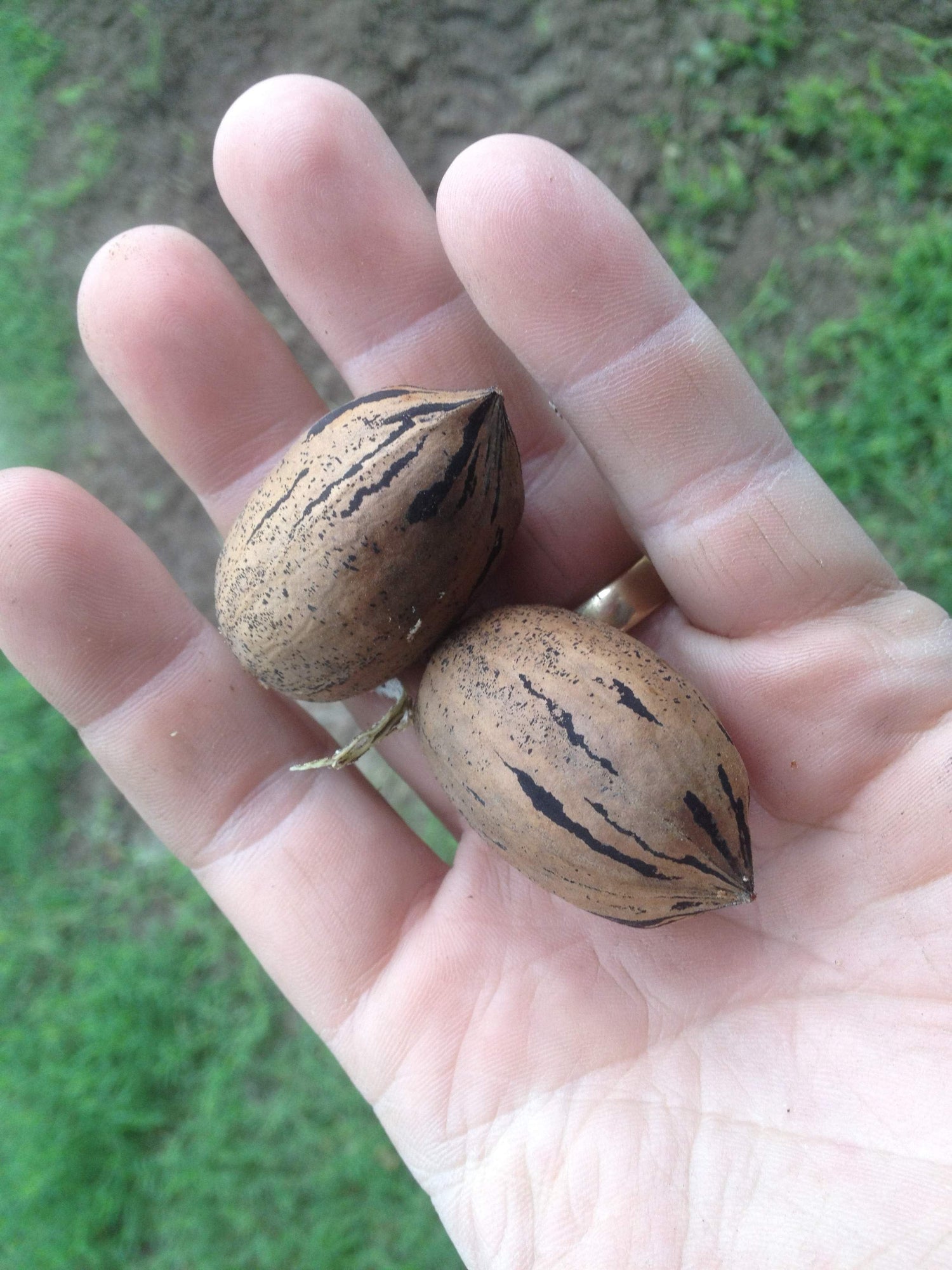
The challenge inside a native pecan
Long before commercial orchards, native pecan trees grew along river bottoms in parts of North America. Their nuts offered excellent flavor, but shell thickness, kernel size and ease of cracking varied widely from tree to tree. A delicious kernel could be difficult to remove intact, which limited convenience and market appeal.
Growers began looking for trees that combined good eating quality with a thinner shell and fuller kernel. Rather than accepting the natural variation of seedlings, they selected promising trees and used propagation techniques to preserve their best traits.
San Saba and E. E. Risien
In the late nineteenth century, nurseryman E. E. Risien worked in the San Saba area of Texas and became an important figure in pecan improvement. Through patient selection, controlled crosses and years of observation, he pursued nuts that were larger, flavorful and easier to crack.
That work helped popularize thin-shelled pecans and strengthened San Saba's identity as an important pecan-growing region. The innovation was not a single moment but a long cycle of growing seedlings, evaluating the crop and propagating the most promising results.

Why a thinner shell matters
Ease of cracking is the most obvious benefit. A thinner shell requires less force, and the kernel is more likely to emerge in a whole half rather than small fragments. That makes the nut appealing for home snacking, holiday bowls and decorative baking.
Better shelling efficiency also matters commercially. Whole halves are visually attractive and useful for gift packs, candies and the tops of pies. Pieces still have value in baking, but a high yield of intact kernels gives producers and cooks more options.
“Papershell” does not refer to one single cultivar. It is a general description applied to pecans known for relatively thin shells. Different papershell varieties can still vary in size, harvest season, flavor and performance in a particular climate.
A food innovation built on patience
The papershell story is a reminder that familiar foods are often the result of decades of observation and practical problem-solving. Growers had to understand their local land, notice exceptional trees and wait through repeated growing seasons to see whether a promising trait would endure.
Modern shoppers benefit from that patience every time a shell cracks neatly and reveals a plump kernel. The experience connects agricultural history with something wonderfully simple: enjoying a fresh pecan without a struggle.
Bringing the tradition to today's table
Papershell pecans are satisfying to crack and share, but shelled halves offer maximum convenience for recipes. Use them in a classic pie, roast them with a light seasoning, pair them with fruit and cheese, or keep a container chilled for easy snacks.
For a taste of the regional tradition that grew around San Saba, shop Millican Pecan's Texas-made selection.